
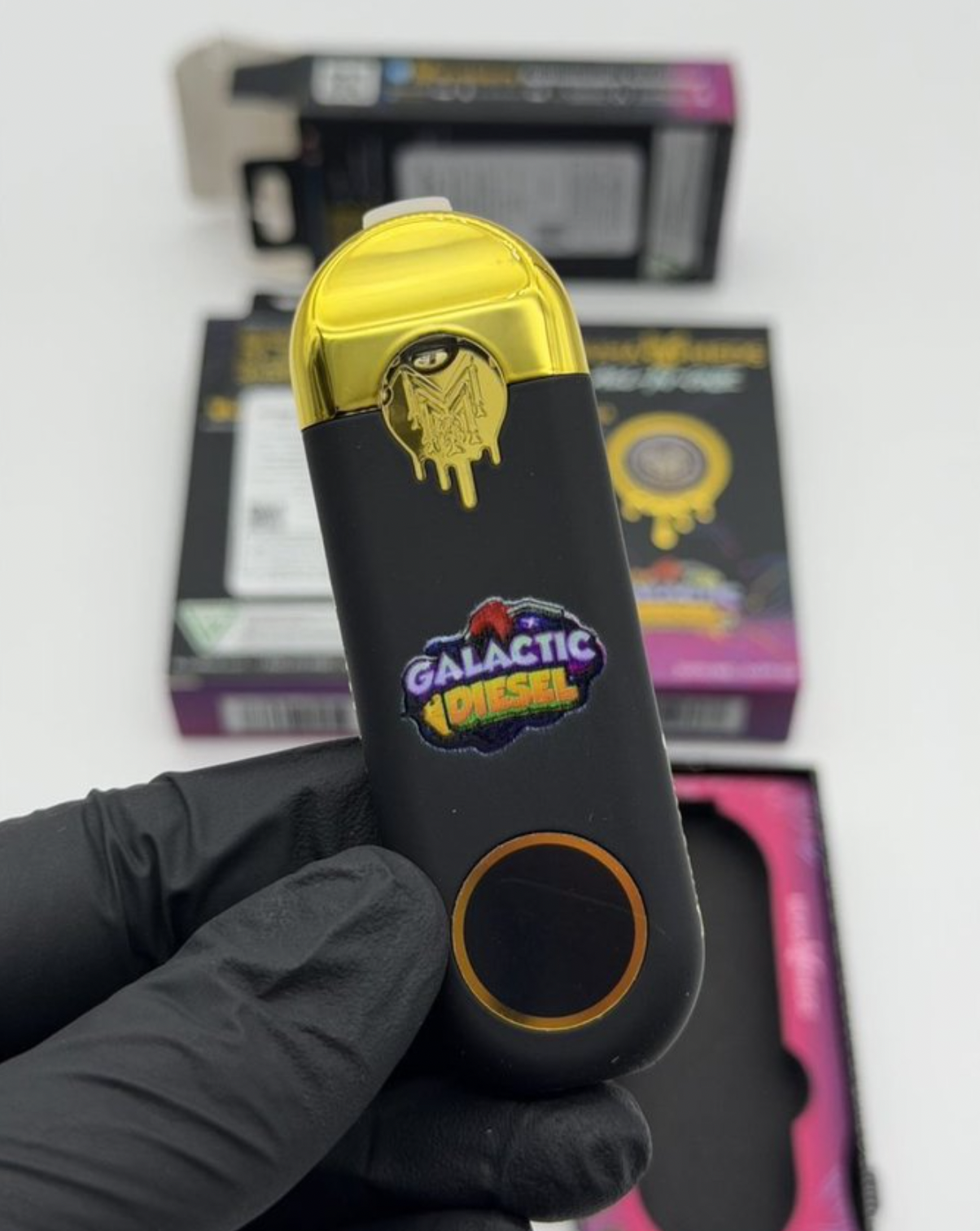
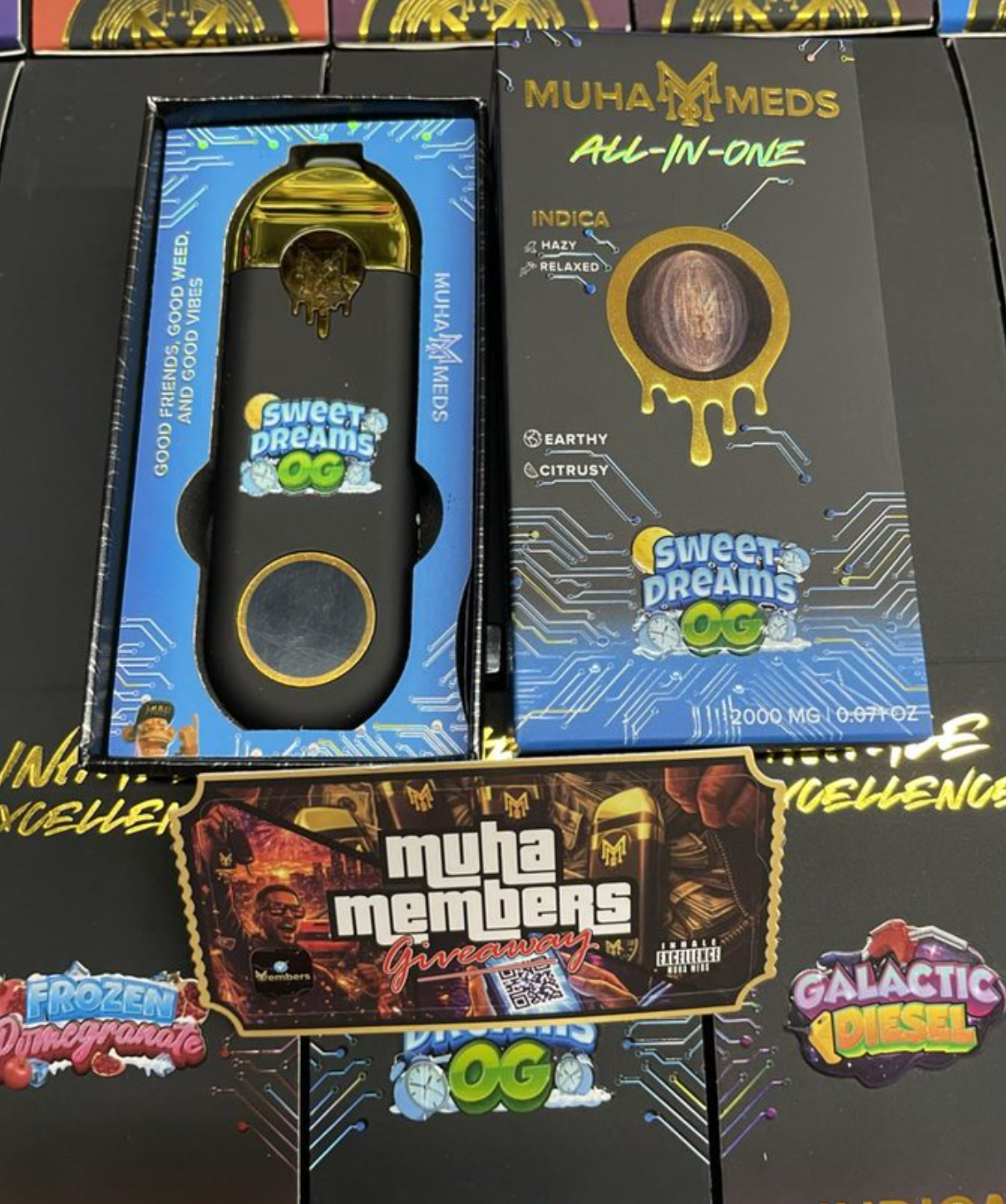
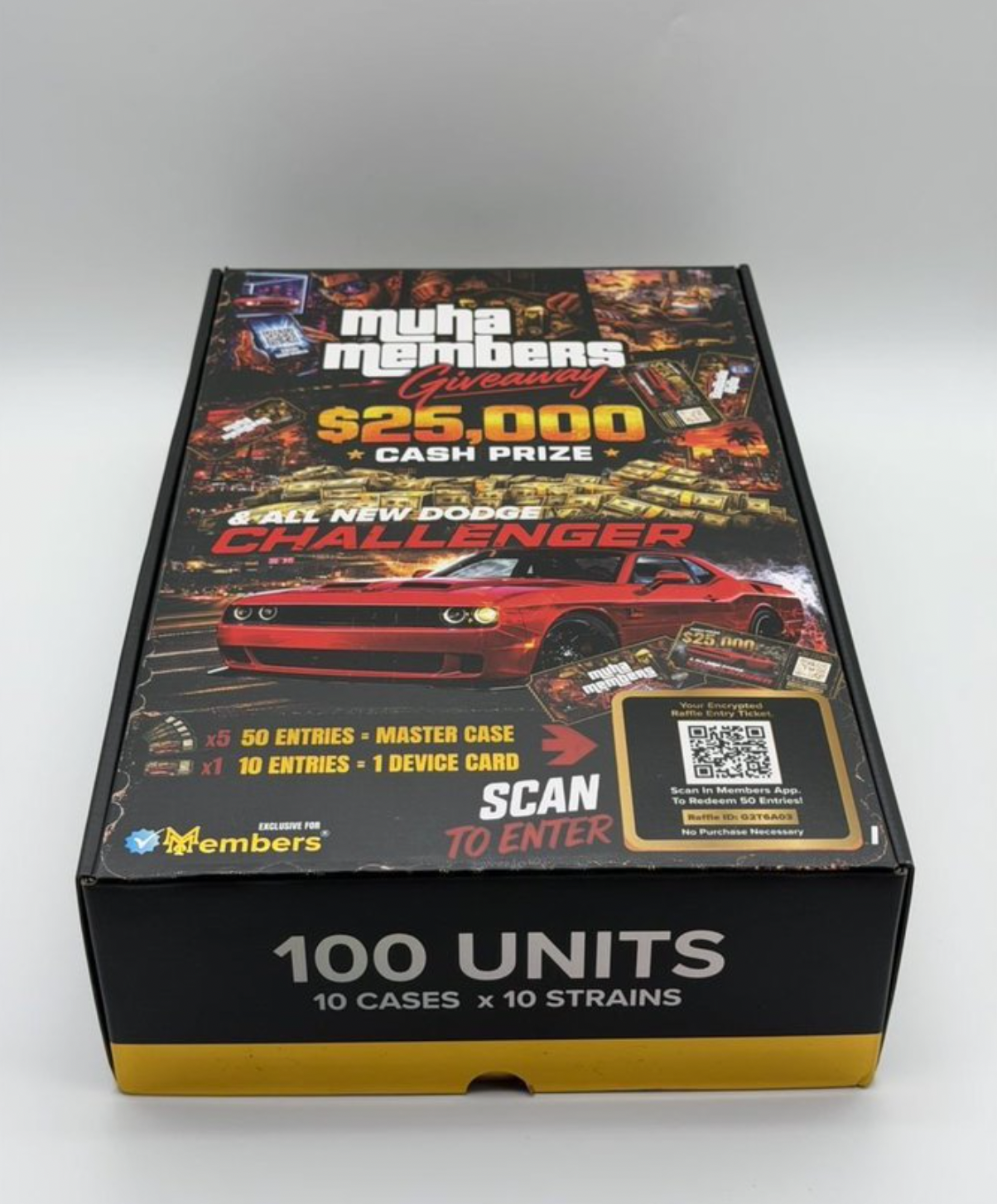
Muha Meds 2G Disposable | Gen 3 Muha All in One THC
$25.00
Description
What Is a Muha Meds 2G Live Resin Disposable?
A 2G disposable is an all-in-one cannabis vape device pre-filled with two grams of cannabis oil, with the battery, tank, and heating element sealed into a single unit. There is nothing to screw together, no separate cartridge, and often a rechargeable USB-C battery so you can use the full two grams rather than running out of power with oil still inside. You inhale to activate it, and when the oil is gone, the whole device is discarded.
Compared with the more common 0.5g and 1g formats, a Gen 3 2G disposable is essentially a higher-capacity version of the same idea. Industry sources describe a 0.5g device as lasting a few days of moderate use, a 1g roughly one to two weeks, and a 2g device around two to four weeks. although real lifespan depends heavily on how long and how often you draw. The trade-off is straightforward: more oil per device means fewer repurchases and a lower cost-per-gram, but a larger upfront price and more oil at stake if the unit turns out to be fake or faulty.
2G Disposable vs. Muha Cartridge: Which Makes Sense?
A common question is whether a 2G disposable is a smarter buy than a cartridge paired with a reusable 510-thread battery. There’s no universal answer, it depends on how you use it. Disposables win on simplicity: there’s no setup, no compatibility guesswork, and no maintenance, which makes them a natural fit for occasional users, travelers, and anyone who values grab-and-go convenience. Cartridges with a reusable battery win on long-term cost and waste, and they offer more control through features like adjustable voltage and the ability to swap strains without buying a whole new device.
For a regular user, a reusable battery plus cartridges is usually cheaper over time and generates less electronic waste. For someone who vapes infrequently or wants zero fuss, the all-in-one disposable is the easier path. The 2G size splits the difference on cost-per-gram: it’s more economical per gram than a 0.5g or 1g disposable, while still being a sealed, throwaway device. Whichever you choose, the authenticity and lab-testing considerations below apply identically — the format doesn’t change the counterfeit math.
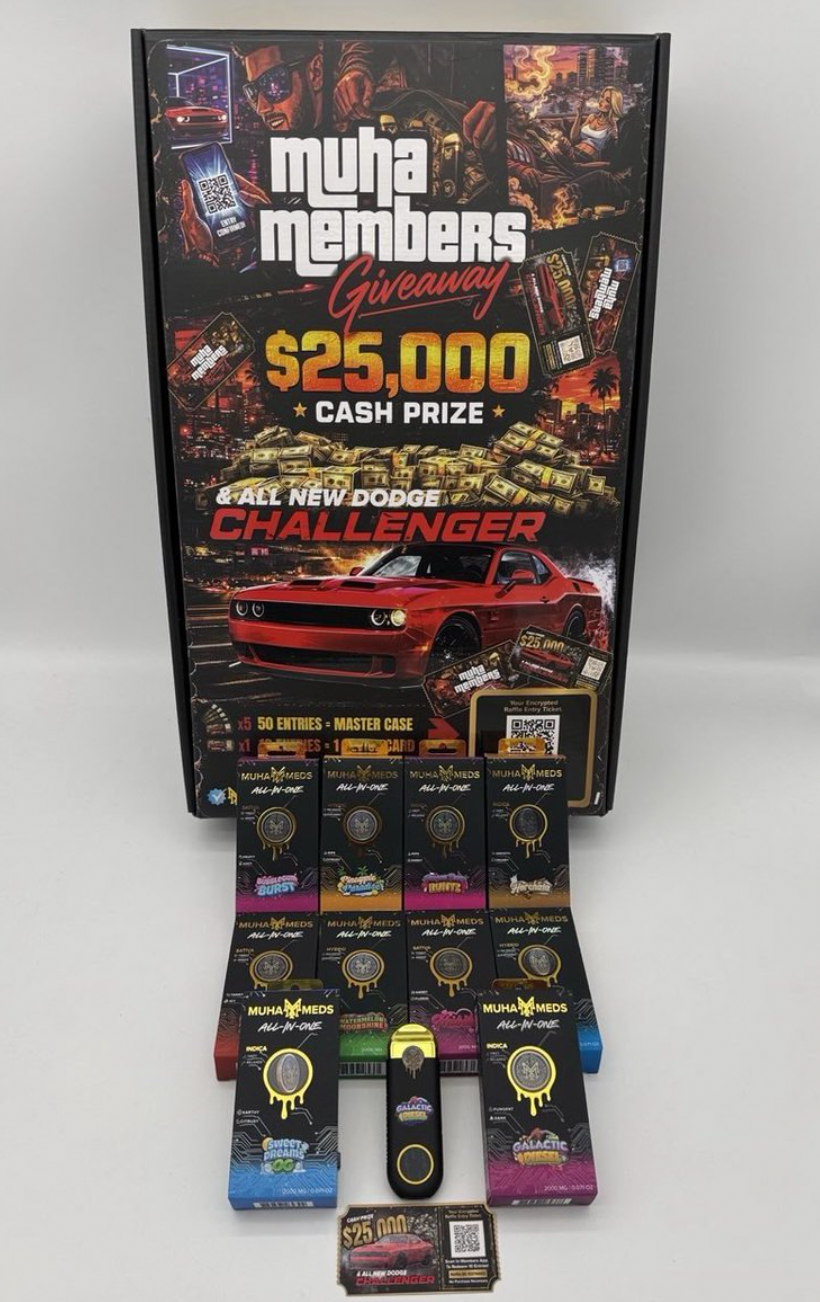
The One Thing You Must Know: The Counterfeit Problem
Here is the honest core of any Muha Meds buyer’s guide. Muha Meds entered the market around 2018, and within roughly 18 months, counterfeit packaging bearing its name had become one of the most widely distributed fake cannabis products in the United States, according to investigations by cannabis outlets at the time. The problem is structural: because the branding is easy to copy and empty counterfeit packaging can be bought online for a fraction of a dollar per unit, anyone filling cartridges in an unlicensed facility can present unknown oil as “Muha Meds.”
How to Spot If a Muha Meds 2G Disposable Is Real or Fake
Because packaging alone can be copied convincingly, no single visual cue is enough on its own. Use the following steps together, and treat any failed step as a reason to stop. This is the most important section of the guide.
- Buy from a licensed, regulated source in the first place. This is the step that prevents the problem rather than catching it after the fact. State-licensed dispensaries are legally required to stock tested, compliant products. Products sold on Instagram, Telegram, at pop-ups, by street-level sellers, or on general e-commerce platforms like Amazon or eBay are essentially always counterfeit or scams, since licensed cannabis cannot legally be sold through those channels.
- Locate and scan the QR code. Authentic packaging carries a QR code that should link to an official verification page and batch-specific lab results — not a generic website or an unrelated domain. If there is no QR code, if it doesn’t scan, or if it redirects somewhere random or broken, treat the product as fake.
- Check the unique scratch-off code. Genuine units typically include a panel you scratch off to reveal a unique alphanumeric code, which you then enter or compare on the brand’s official verification page. The revealed code and the code shown on the verification site must match exactly. An “invalid,” “already used,” or mismatched result means counterfeit.
- Review the Certificate of Analysis (COA). A legitimate product’s verification should surface a batch-specific lab report with current testing dates and no contamination flags. If the code only leads to a generic “lab tested” stamp with no actual, batch-linked results, that’s a fail.
- Inspect the packaging and hardware. Look for spelling errors, blurry or faded printing, low-resolution logos, flimsy materials, loose or wobbly mouthpieces, rough seams, or exposed glue. Counterfeit artwork has improved dramatically, so appearance alone can’t confirm authenticity — but obvious flaws can still confirm a fake.
- Be skeptical of price and oil appearance. If a deal seems far below market rate, it usually is. Oil that looks unusually thin, dark, or off-color, or that produces a harsh chemical taste, is another warning sign. If anything fails, do not use the product.
If a unit fails verification: stop using it, keep the packaging and note where you bought it, and consider reporting the seller to the brand and to your local consumer-protection or cannabis regulator. If you have already used a suspicious product and experience shortness of breath, chest pain, persistent cough, nausea, or other symptoms, seek medical care promptly and tell the provider you used a vaping product.
Understanding Lab Testing and COAs
A Certificate of Analysis is the document that separates a regulated product from a gamble. In legal U.S. markets, licensed cannabis products undergo mandatory third-party laboratory testing before they can be sold at retail. A proper COA generally reports several categories.
- Cannabinoid potency: the actual THC and other cannabinoid percentages, confirming the label isn’t overstated. Independent testing of licensed Muha Meds distillate has historically shown THC in roughly the 82–89% range, which is in line with mainstream distillate products.
- Terpenes: the aromatic compounds responsible for flavor and strain character.
- Pesticides and residual solvents: confirming the extraction and cultivation didn’t leave harmful chemical residues.
- Heavy metals: screening for contaminants such as lead and arsenic that can migrate from soil or low-grade hardware.
- Microbial contaminants: checking for mold and other biological impurities.
The key point is that counterfeiters can print a “lab tested” badge on a box, but they cannot produce a genuine, batch-specific COA tied to a licensed testing facility’s database. When a COA can’t be verified through a licensed channel, the product should be treated as if it never entered the regulated supply chain — because it didn’t.
Legal Status: Where 2G Disposables Are and Aren’t Legal
Cannabis law is a patchwork, and the legality of a Muha Meds 2G disposable depends entirely on what’s inside it and where you are.
Marijuana-derived THC products — the kind sold in dispensaries in states like California, Michigan, and New Mexico — remain federally illegal in the United States and are legal only within specific states that have their own regulated adult-use or medical programs. In those states, purchases are restricted to adults 21 and older (or qualifying medical patients) and must go through licensed dispensaries.
Separately, some products are marketed as hemp-derived and formulated to contain less than 0.3% Delta-9 THC by dry weight, which certain sellers describe as compliant with the 2018 U.S. Farm Bill. This is a legally contested and rapidly shifting area, availability varies by state, and many states restrict or ban these products outright. Outside the United States, laws differ dramatically from country to country, and in many places any THC product is illegal.
The brand’s own history underscores why regulation matters: in 2023, a Michigan producer of Muha Meds products had its license suspended over traceability failures — a reminder that even within licensed supply chains, oversight is what keeps products accountable. Before buying, confirm the current law in your specific location. When in doubt, your state or national regulator is the authoritative source, not a product listing.
How Top shelf Bows Advises Users to Maintain a Quality Experience
After verified authenticity from Muhameds Brand, we apply a few practical habits protect both the product and your experience.
- Store the device upright at room temperature away from heat and direct sunlight, which helps preserve oil quality and prevents leaking.
- Take slightly longer to charge a nearly empty rechargeable unit rather than forcing hard, rapid draws, which can flood the coil.
- If the oil ever tastes burnt or harsh, stop and inspect the device rather than pushing through.
- Because a 2G device lasts weeks, keep the original packaging and its verification information until the unit is finished, in case you need to reference the batch or report a problem.
Frequently Asked Questions
Is the Muha Meds 2G disposable real or fake most of the time? Authentic, licensed Muha Meds products do exist and are sold in regulated dispensaries. However, the brand is one of the most counterfeited in cannabis, and the majority of units sold through unlicensed channels are fakes filled with oil of unknown origin. That’s why buying from a licensed source and verifying the codes is essential.
How long does a 2G disposable last? Industry estimates put a 2-gram device at roughly two to four weeks of moderate use, delivering several hundred puffs(about 600 puffs), though actual lifespan depends on how long and how often you draw.
How do I verify a Muha Meds product is authentic? Buy from a licensed dispensary, scan the QR code to reach an official verification page and batch-specific lab report, scratch off and match the unique alphanumeric code on the official site, and inspect the packaging and hardware. If any step fails, treat it as counterfeit.
Are fake THC vapes actually dangerous? Yes. Counterfeit cannabis vapes have been found to contain vitamin E acetate, pesticides, heavy metals, and unknown additives. The 2019–2020 EVALI outbreak, linked largely to illicit THC vapes containing vitamin E acetate, caused 2,807 hospitalizations and 68 deaths according to the CDC.
What’s the difference between distillate, live resin, and live rosin disposables? Distillate is a refined, high-potency, lower-cost oil that relies on added terpenes for flavor. Live resin is made from flash-frozen flower for fuller natural flavor. Live rosin is a solventless extract prized for purity and flavor, and it’s typically the most expensive.
Are Muha Meds 2G disposables legal? It depends on the contents and your location. Marijuana-derived THC products are legal only in specific U.S. states with regulated programs (and remain federally illegal), restricted to adults 21+. Some products are marketed as hemp-derived under the 2018 Farm Bill, but that area is legally contested and banned or restricted in many states. Laws outside the U.S. vary widely. Always confirm your local law first.
What should I do if I bought a fake? Stop using it, keep the packaging, and consider reporting the seller to the brand and your local regulator. If you’ve used a suspicious product and feel unwell — shortness of breath, chest pain, cough, or nausea — seek medical care promptly and mention that you used a vaping product.
Reviews
There are no reviews yet.